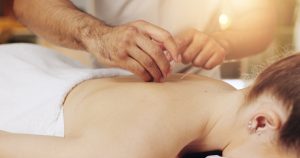
Joint mobilization
Slow, controlled movements of a stiff joint to restore how far and how smoothly it moves.
Feels like: gentle, rhythmic pressure or gliding.

Hands-on therapy, also called manual therapy, is treatment your physiotherapist does with their hands rather than a machine.
It’s used to loosen stiff joints, release tight or knotted muscles, and help you move more freely, so the exercises in your plan are easier to do and work better.
Hands-on care isn’t standard at every clinic. Here, it’s at the heart of most visits, alongside exercise and the other treatments in your plan.
Every session is one-on-one with a registered physiotherapist.
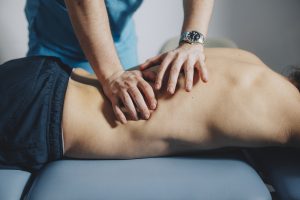
Your physiotherapist chooses the techniques that suit your problem after your assessment.
Slow, controlled movements of a stiff joint to restore how far and how smoothly it moves.
Feels like: gentle, rhythmic pressure or gliding.
A quick, small movement to a joint, used only when it suits your problem and you’re comfortable with it.
Feels like: a brief push, sometimes with a click.
Steady pressure on tight, tender spots in a muscle that can cause pain in or away from the spot.
Feels like: a strong ache that eases as the muscle lets go.
Firm, slow pressure to work into deeper layers of muscle and reduce tension.
Feels like: firm massage, adjusted to what you can handle.
Sustained stretching and pressure on the tissue that wraps your muscles, to free up tight areas.
Feels like: a slow, deep stretch.
You don’t have to choose. Your physiotherapist will decide what fits after your assessment.
Book an assessmentUsually alongside exercises and, where it helps, other treatments.
Don’t see your problem? Call 604-428-3266 and ask.
We ask how things have been since your last visit and re-test how you move.
Your physiotherapist works on the joints and muscles involved, checking in with you throughout.
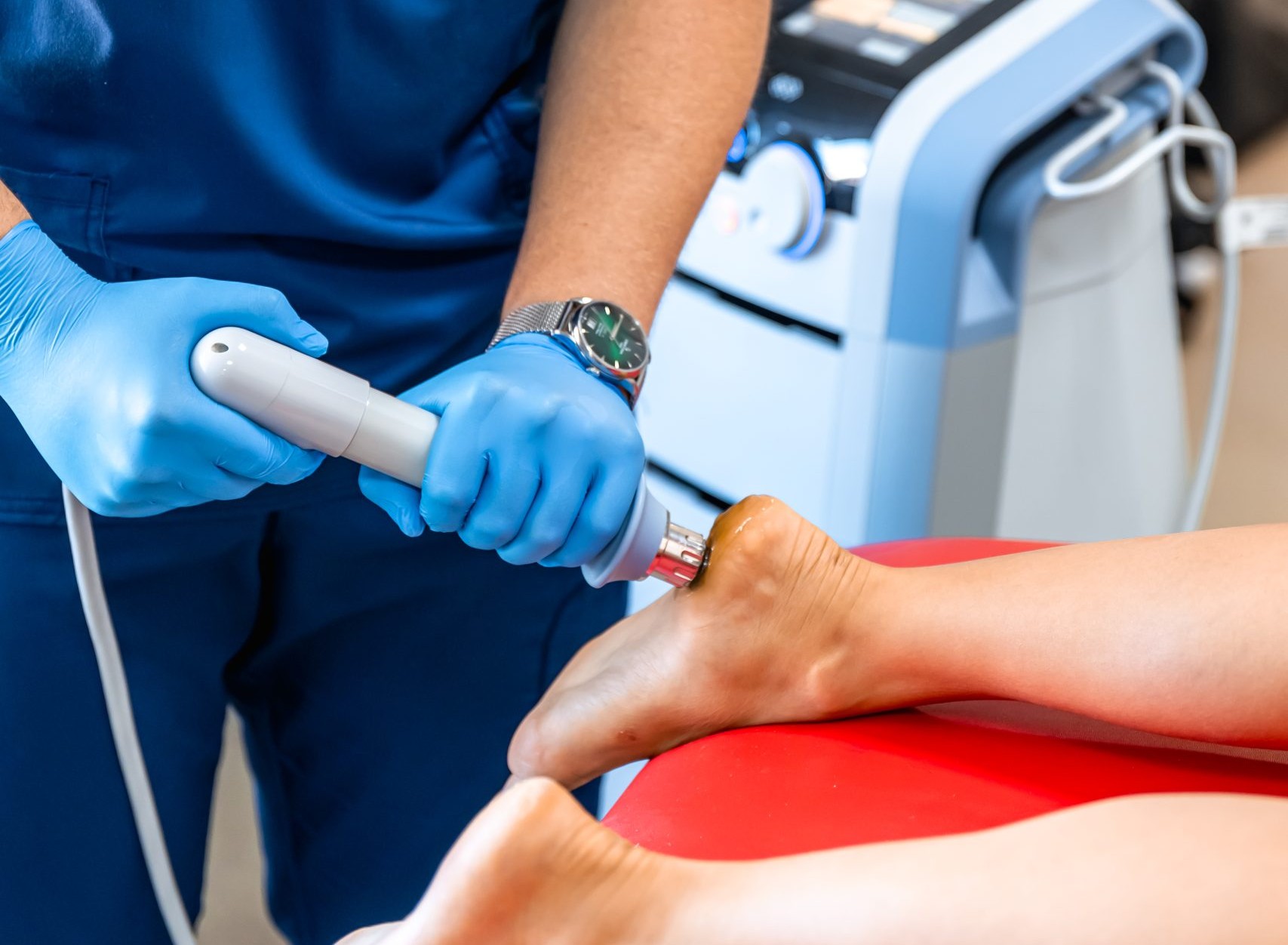
Sometimes combined with dry needling, shockwave or electrotherapy.
We finish with exercises to keep the progress going between visits.
Here are some of the most common questions patients ask.
If you don’t find the answer you need, feel free to contact us!
Massage is one of the techniques we may use, but hands-on physiotherapy starts with an assessment to find the cause of your pain. Treatment targets that cause and is combined with joint work and exercises.
Some techniques, like trigger point work or deep tissue massage, can feel intense for a moment. Your physiotherapist checks in with you and adjusts the pressure so it stays manageable.
Headaches that come from a tight neck and upper back are a common reason people try hands-on therapy. If your headaches are sudden, severe or come with other symptoms, see your doctor first.
It can be, but timing matters. Your physiotherapist will check what’s safe at your stage of healing. Bring any notes from your surgeon or doctor to your first visit.
Same week appointments available. Most insurance accepted.